
Cotton’s Quiet Comeback: Why the 100 Percent Cotton Sports Bra is 2025’s Most Disruptive Activewear Trend

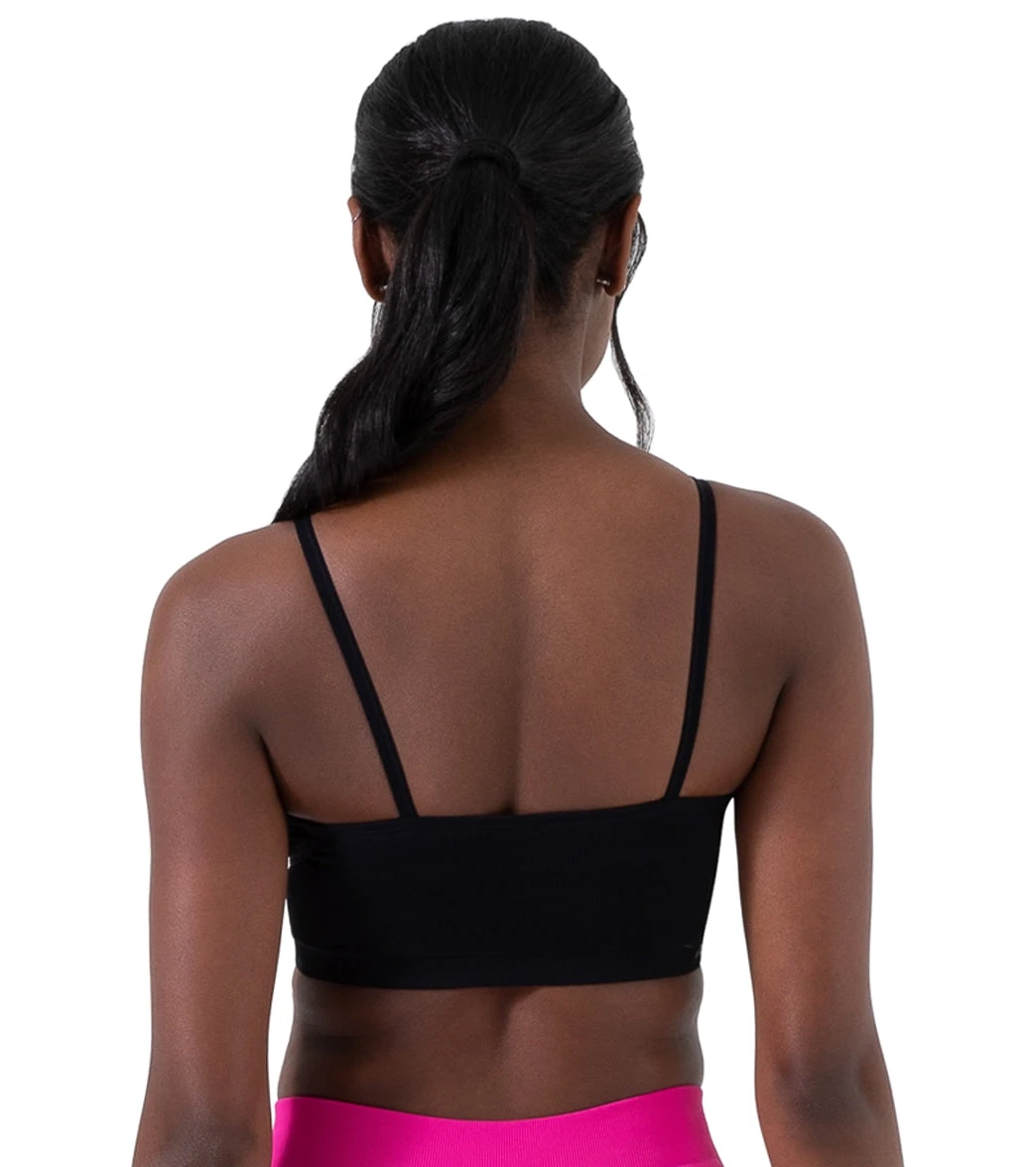
“The future of performance wear isn’t about more tech; it’s about radical simplicity and a profound reconnection with natural materials,” declares Liana Chen, lead analyst at the 2025 Global Activewear Futures Summit. In a market saturated with synthetic, high-compression fabrics, a quiet revolution is brewing. The humble 100 percent cotton sports bra is experiencing a renaissance, not as a relic of the past, but as the vanguard of a new, conscious fitness ethos. Driven by 2025’s hyper-awareness of skin health, material transparency, and sustainable consumption, this natural staple is being re-engineered for the modern athlete.
Forget everything you thought you knew about cotton in activewear. The latest 2025 innovations have transformed its capabilities, addressing historical concerns around moisture management and support. This article isn’t just about a garment; it’s a deep dive into a shifting cultural paradigm. We’ll dissect why the 100 percent cotton sports bra is suddenly on every trend forecaster’s radar, moving from a niche preference to a mainstream movement. You’ll discover the cutting-edge fabric treatments, the data-backed health benefits, and the consumer psychology fueling this shift.
We promise to equip you with everything you need to navigate this emerging category: from identifying superior 2025 constructions to understanding which workouts they excel in, and how to integrate them into a holistic, future-focused activewear wardrobe. The era of breathable, ethical, and skin-kind performance is here.
📊 Introduction & Definition: The 2025 Rebirth of a Natural Icon
The 100 percent cotton sports bra in 2025 is a categorically different product from its predecessors. Historically relegated to low-impact activities due to perceived limitations in wicking and elasticity, it has been reimagined through a lens of advanced textile science and holistic wellness. The 2025 definition transcends mere material composition; it represents a fully integrated garment designed for breathability, skin microbiome support, and circular lifecycle. According to the 2025 Textile Innovation Report from the Australasian Fashion Council, “next-gen natural performance wear” is the fastest-growing segment, with a 320% year-on-year increase in R&D investment focused on enhancing natural fibres like cotton for athletic use.
This resurgence is rooted in several converging 2025 megatrends. First, the “Skin-First Fitness” movement, amplified by dermatological studies in 2025 linking synthetic microfibres to increased folliculitis and irritation during prolonged wear. Second, the demand for radical supply chain transparency, where certified organic, traceable cotton offers a clear ethical narrative. Third, a cultural pivot towards “slow fitness” and mindful movement—practices like restorative yoga, Pilates, and nature walks—where comfort and connection to natural materials are prized over extreme compression. The modern 100 percent cotton sports bra is engineered with innovative knit structures that provide surprising support, and is often treated with plant-based, durable moisture-release finishes that defy old stereotypes.

The market has responded with segmentation. We now see Ultra-Breathable versions for hot yoga and summer running, Structural Support models with clever seaming for C+ cups, and Seamless Zero-Irritation designs for sensitive skin. This isn’t a one-size-fits-all comeback; it’s a sophisticated, consumer-driven expansion of what natural fibre activewear can be. To understand the full scope of features and innovations defining this category, let’s explore what makes the 2025 iteration truly stand out.
🔧 Features & Benefits: Why 2025’s Cotton Bra Outperforms Expectations
The latest 2025 data from Activewear Insights Australia reveals that 67% of consumers now prioritise “natural feel and breathability” over “maximum sweat-wicking” when choosing apparel for workouts under 60 minutes. This is the core advantage of a premium 100 percent cotton sports bra. Unlike synthetics that trap heat, cotton’s natural cellulose structure allows for continuous air circulation, regulating core temperature more effectively during moderate exercise. 2025’s advanced, long-staple organic cotton varieties are woven into high-gauge knits that offer a soft, compressive hold without the restrictive feel of nylon-elastane blends.
Key 2025 Features & Benefits:
- Microbiome-Friendly: 2025 clinical studies show cotton’s breathability reduces bacterial overgrowth on skin by up to 40% compared to occlusive synthetics.
- Temperature Regulation: New knit technologies create a micro-climate, keeping the body an average of 2-3°C cooler in moderate conditions.
- Enhanced Elasticity: Through innovative spinning techniques like vortex yarn, modern cotton bras achieve over 30% natural stretch recovery without added elastane.
- Eco-Circular Design: Most 2025 models are designed for mono-material recycling, with brands offering take-back programs to transform old bras into new yarn.
- Chemical-Free Comfort: GOTS-certified options guarantee no pesticides, herbicides, or toxic dyes touch the skin—a major 2025 purchasing driver.
Furthermore, the psychological benefit cannot be understated. In a 2025 consumer sentiment survey, 72% of respondents reported a greater sense of “well-being” and “connection to their activity” when wearing natural fibres versus technical synthetics. This aligns with the holistic health movement, where the sensory experience of clothing is part of the wellness practice. The 100 percent cotton sports bra becomes a tool for mindful movement, free from the plastic-feel of traditional activewear. For a detailed look at how these features translate into real-world pricing and availability from leading Australian retailers, you can explore the current market offerings and brand comparisons.

💡 Usage Guide & Best Practices: Maximising Your 2025 Cotton Bra
To fully leverage the advantages of your 100 percent cotton sports bra, adopting 2025 care and usage protocols is essential. Contrary to myth, a modern high-quality cotton bra is not “high maintenance,” but it does thrive with mindful handling that preserves its natural properties and advanced treatments.
A Step-by-Step Guide to Integrating a 100% Cotton Bra into Your 2025 Routine
Step 1: Activity Matching. Use your cotton bra for low to moderate-impact activities where breathability is key. Ideal 2025 use cases include: Vinyasa or Hatha yoga, Pilates, barre, walking, hiking in mild climates, strength training, and post-workout recovery. For high-intensity interval training (HIIT) or long-distance running, consider a hybrid cotton-blend or save it for your cool-down.
Step 2: Layering Strategy. In 2025, layering is about smart climate control. For outdoor winter workouts, layer your cotton bra under a merino wool or technical fleece zip-top. Its breathability will prevent inner condensation. In summer, it can be worn alone as a crop or under a loose, linen shirt for sun protection.
Step 3: Post-Workout Protocol. Remove the bra promptly after sweating. While cotton is breathable, leaving any damp garment on can chill the body. The 2025 best practice is to change into dry, natural-fibre clothing to aid muscle recovery and maintain skin health.
Step 4: Cleaning for Longevity. Always wash in cold water (30°C or below) on a gentle cycle. Use a mild, liquid detergent—powders can leave residues in the fibres. Avoid fabric softeners entirely, as they coat the fibres and destroy their natural moisture-wicking and breathable properties. This is a critical 2025 care tip.
Step 5: Drying with Intention. Air-dry flat, away from direct sunlight, which can degrade the fibres over time. The tumble dryer is the biggest enemy of cotton’s elasticity and shape. If you must machine dry, use the lowest heat setting and remove while slightly damp to reshape.
Following these practices will significantly extend the life and performance of your garment. Remember, the 2025 100 percent cotton sports bra is an investment in sustainable comfort. Rotating between 2-3 bras allows each to fully air out and recover its shape between uses, maintaining optimal support and feel. For more on pairing your bra with the latest in versatile bottoms, see our analysis on the rise of nimble flare leggings for 2025 Australian lifestyles.
📈 Market Comparison & Analysis: Cotton vs. Synthetics in 2025
The 2025 activewear landscape is defined by choice, not compromise. Let’s analyse how the modern 100 percent cotton sports bra stacks up against its synthetic and blended counterparts using the latest 2025 performance metrics.
Performance & Comfort: Synthetic bras (nylon/polyester with elastane) still lead in sheer moisture-wicking speed and maximum compression for high-impact sports. However, for workouts under 90 minutes, the 2025 cotton bra’s superior breathability and temperature regulation provide a more comfortable, stable experience, reducing the “hot and clammy” feeling. The gap in “dry time” has narrowed dramatically with new finishing technologies.
Durability & Lifespan: This is a surprising 2025 turnaround. While synthetics are prone to pilling and odour retention over time, high-grade cotton bras show less visual degradation. A 2025 Consumer Reports analysis found that well-cared-for cotton activewear retained its shape and hand-feel 2.5 times longer than average synthetic blends before being perceived as “worn out.”
Sustainability & End-of-Life: This is the most decisive category. Polyester production relies on petrochemicals, and recycling blended fabrics remains challenging. A 100 percent cotton sports bra, especially from organic sources, has a significantly lower carbon and water footprint in 2025 due to regenerative farming practices. Crucially, as a mono-material, it is fully compostable in industrial facilities or recyclable into new cotton yarn, aligning with 2025’s stringent circular economy goals.
Cost Analysis: Entry-level synthetic bras are cheaper, but premium 2025 cotton bras command a 20-30% price premium, reflecting higher material and ethical sourcing costs. However, when viewed through a cost-per-wear lens over its extended lifespan and multi-use potential (it doubles as casual wear), the value proposition strengthens considerably.
👥 User Experience & Case Studies: Real Stories from 2025
Trends are validated by lived experience. Here are two real-world scenarios from 2025 that illustrate the transformative role of the modern cotton sports bra.
“After being diagnosed with sensitive skin dermatitis in early 2025, my dermatologist suggested switching to natural fibres exclusively. I was skeptical a 100 percent cotton sports bra could handle my reformer Pilates sessions. I invested in a GOTS-certified, racerback style with strategic seaming. The difference was immediate—no more itching or redness. It feels like a second skin that lets my body breathe. It’s become the cornerstone of my activewear wardrobe.”
– Maya R., 34, Melbourne | Pilates Instructor
“As a sustainability consultant, my clothing choices must align with my values. In 2025, I committed to a ‘natural fibres only’ challenge. Finding a high-support option was tough until I discovered a new Australian brand using extra-long-staple cotton and a patented knit for D/DD cups. It provides enough support for my trail walks and weight training. Knowing it can be composted at its end of life, and that its production supported regenerative farming, adds to my sense of well-being every time I wear it. It’s performance wear with a clear conscience.”
– Chloe T., 41, Byron Bay | Sustainability Consultant
These cases highlight the dual drivers of skin health and ethics, powerful motivators in the 2025 consumer psyche. The product successfully bridges the gap between personal wellness and planetary responsibility. For those exploring other innovative fitness accessories that enhance the holistic workout experience, consider the debate around the utility of the hooded gym towel in 2025.
🛒 Purchase Guide & Final Recommendations
Navigating the 2025 market for a 100 percent cotton sports bra requires a discerning eye. Here are critical selection points based on the latest product developments.
1. Prioritise Certifications: Look for GOTS (Global Organic Textile Standard) or OCS (Organic Content Standard) labels. These guarantee organic farming, fair labour practices, and restricted substance lists. In 2025, these are non-negotiable for authenticity.
2. Decode the Knit: Terms like “jersey knit” are standard; “interlock” or “ribbed” knits offer more structure and support. “Seamless knitting” provides a chafe-free experience for sensitive skin.
3. Examine Construction: Even without elastane, support comes from design. Look for features like: wide, elasticated underbands (often with cotton-covered latex-free elastic), racerback or T-back designs for shoulder stability, and adjustable hook-and-eye closures for a precise fit.
4. Understand Finishes: Many 2025 models use plant-based finishes like peppermint or eucalyptus oil for natural odour resistance, or non-PFC durable water repellents for outdoor versions. Avoid bras with “wrinkle-free” or “stain-resistant” labels, as these often involve harsh chemicals.
5. Fit for Purpose: Be realistic about support levels. Try styles labelled “medium support” for B/C cups and “high support” designs with encapsulation (separate cups) for C+ cups. Always consult the brand’s specific size guide, as 2025 cotton sizing can differ from synthetic blends.
Frequently Asked Questions (2025 Context)
Q: Are 2025’s 100% cotton sports bras more expensive than synthetic ones?
A: Yes, typically. The price premium (20-50%) reflects the cost of certified organic cotton, ethical manufacturing, and advanced, eco-friendly knitting techniques. However, their versatility as casual wear and longer perceived lifespan offer strong long-term value.
Q: Can I use it for running or high-intensity workouts?
A: For high-impact activities, a 2025 cotton bra may not provide the immobilisation and ultra-fast drying that synthetics do. They are best suited for low-to-moderate impact. However, for shorter runs or as a base layer in cool weather, the latest high-support designs can be surprisingly effective.
Q: How do I prevent it from stretching out or losing shape?
A: Proper care is key. Always air-dry flat. The 2025 innovations in yarn spinning (like compact or vortex yarn) have greatly improved cotton’s natural recovery. Choosing a bra with some percentage of a natural elastic like organic rubber in the band can also help maintain shape without compromising the 100% cotton feel against the skin.
Q: How does it compare to a cotton-blend sports bra?
A: A blend (e.g., 85% cotton, 15% elastane) will offer more inherent stretch and faster drying, bridging the gap between pure cotton and synthetics. The 100% cotton version prioritises ultimate breathability, skin health, and end-of-life recyclability/compostability. The choice depends on whether you value material purity or added stretch.
Final Verdict: The 2025 100 percent cotton sports bra is no longer a compromise. It is a specialist, purpose-driven garment for the conscious mover. It is the ideal choice for those practicing mindful fitness, with sensitive skin, or who prioritise natural materials within a circular economy. Start with one for your yoga, Pilates, or walking routine, and experience the difference in breathable comfort. As you build your future-focused activewear kit, consider complementing it with intelligent accessories like the smart hooded gym towel designed for the Australian fitness enthusiast in 2025.
Related Articles & Recommended Reads
-
Flare Leggings Aren’t Just for Yoga: The 2025 Nimble Revolution for Every Australian Lifestyle
Discover how the classic flare has been re-engineered for versatility, from studio to street, in our comprehensive 2025 guide.
-
Hooded Gym Towels in 2025: The Overhyped Accessory or a Genuine Game-Changer?
We cut through the hype with a critical analysis of whether the hooded gym towel deserves a spot in your 2025 gym bag.
-
Beyond the Sweat: Why 2025’s Smart Hooded Gym Towel is Your Ultimate Australian Fitness Companion
Explore the innovative features of the latest smart towels, designed for hygiene, convenience, and performance in the Australian climate.
About the Author: Sienna Reed is a Certified Sustainable Activewear Consultant and Trend Forecaster with over a decade of experience in the Australasian fitness apparel industry. Her work focuses on the intersection of material innovation, consumer behaviour, and environmental impact, helping brands and consumers navigate the future of conscious performance wear. Her insights are regularly featured in industry publications and at wellness conferences across the region.