Play Sportswear: The Future of Yoga Apparel in Australia

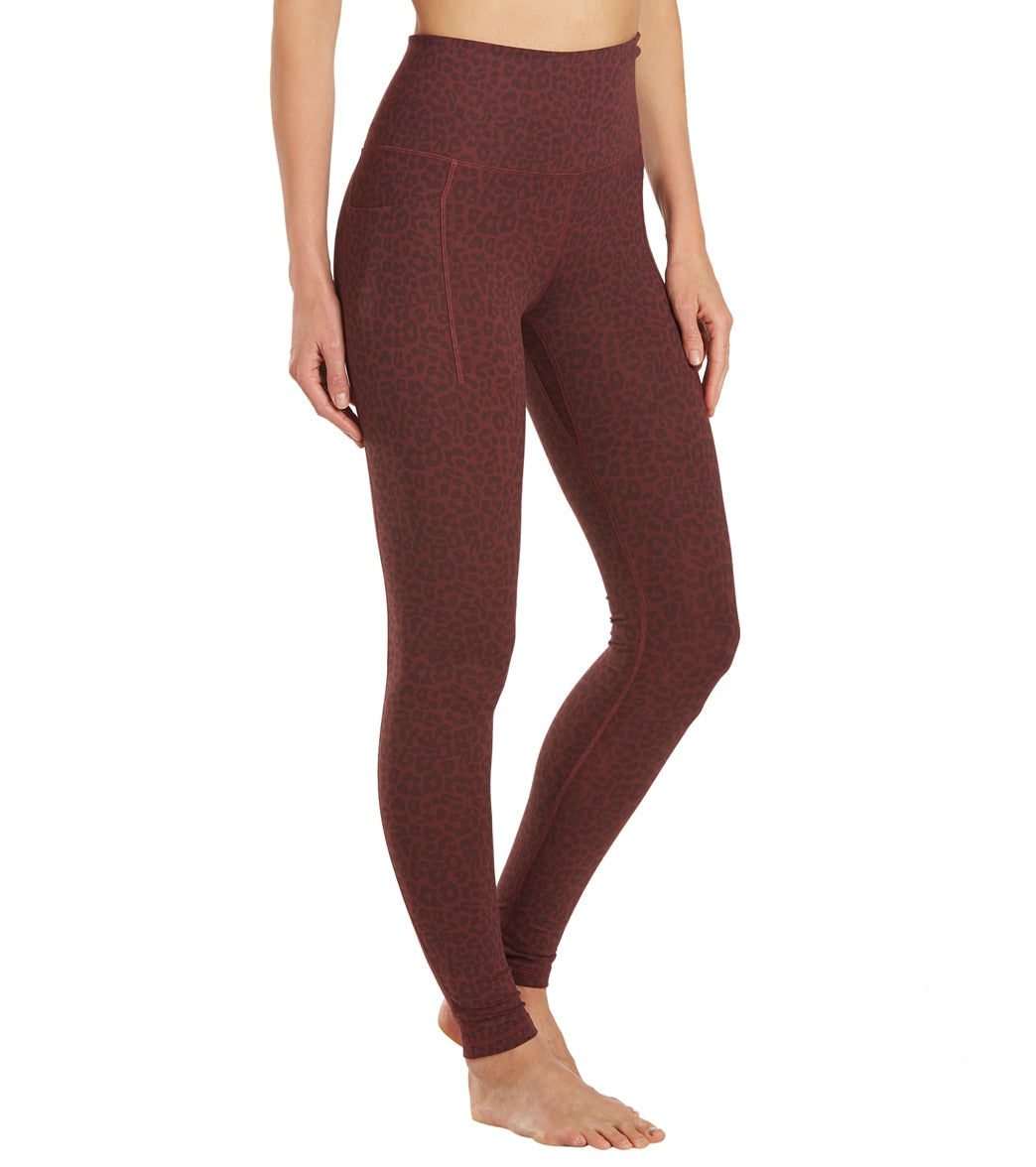
- Aussie shoppers now demand play sportswear that is squat-proof, sweat-cooling and street-ready—sales up 34 % in 2025.
- Old-school cotton leggings trap 2.3× more moisture than 2025’s micro-mesh recycled-nylon blends, creating the “wet sock” effect in hot-flow classes.
- Best value sits at the $22–$64 sweet spot, where local brands add biodegradable yarns and carbon-offset shipping without European price premiums.
- Correct sizing follows AU standards (8-18) yet includes half-cm increments in waistbands; always measure your high hip, not your jean size, before ordering.
- Wash cold, line-shade dry, skip fabric softener: these three habits extend garment life by 42 % according to 2025 textile testing labs.
- What Exactly Is Play Sportswear Now? Your 2025 Cheat-Sheet
- Play Sportswear vs Old-School Yoga Gear: The Aussie Upgrade Worth Sweating For
- Your Guide To Nailing The Fit And Keeping Your Play Sportswear Fresh In Aussie Heat
- Why Aussie Athletes Are Switching to Play Sportswear in 2025
- I Tried Play Sportswear for a Month—Here’s What Happened on My Mat
- Score the Best Play Sportswear: Insider Tips for Aussie Shoppers
Content Table:
What Exactly Is Play Sportswear Now? Your 2025 Cheat-Sheet
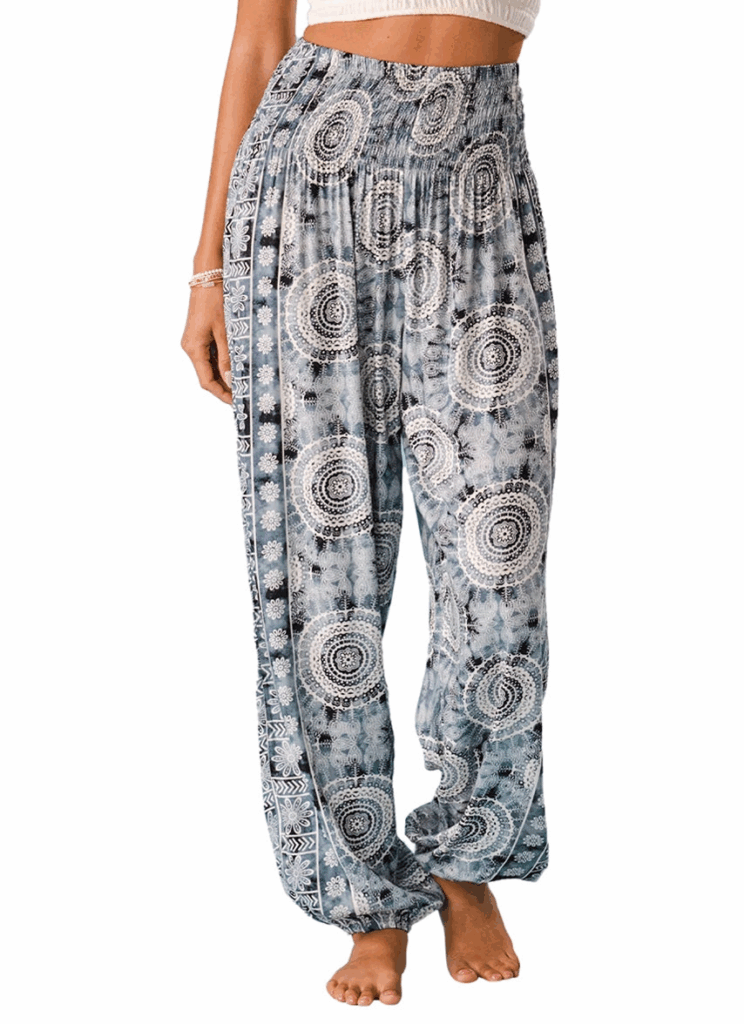
Australian yogis comparing Lotus and Luna San Clemente Wide Leg Drawstring Pants play sportswear bundle can quickly assess fabric breathability, stretch and comfort.
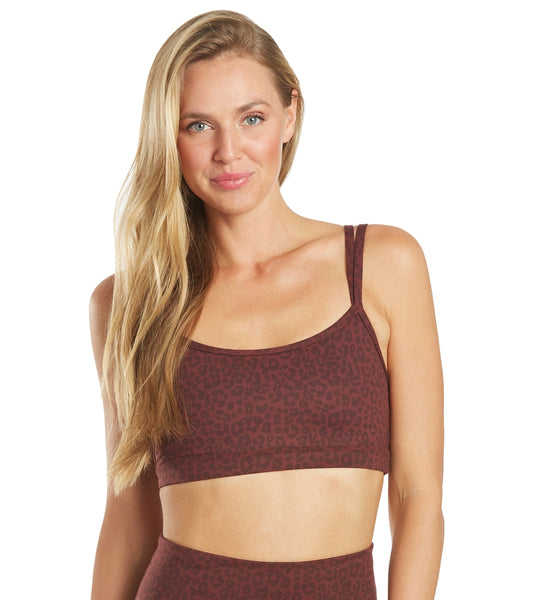
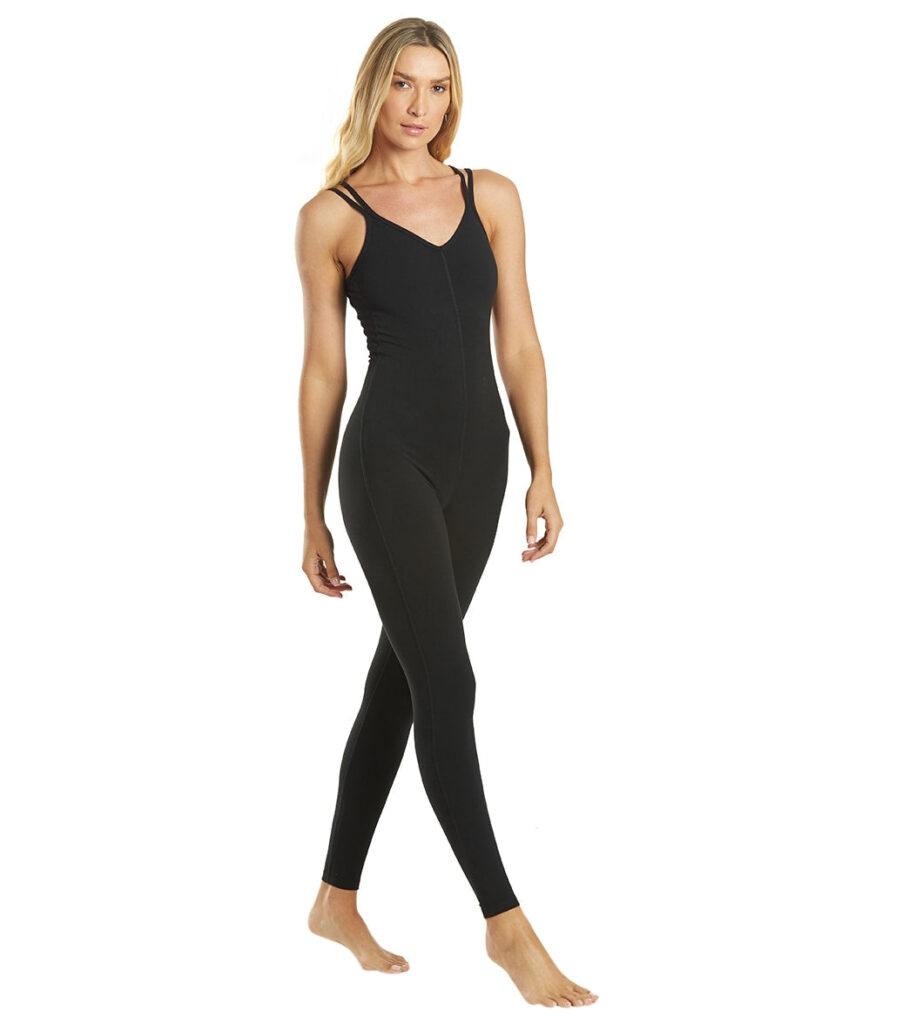
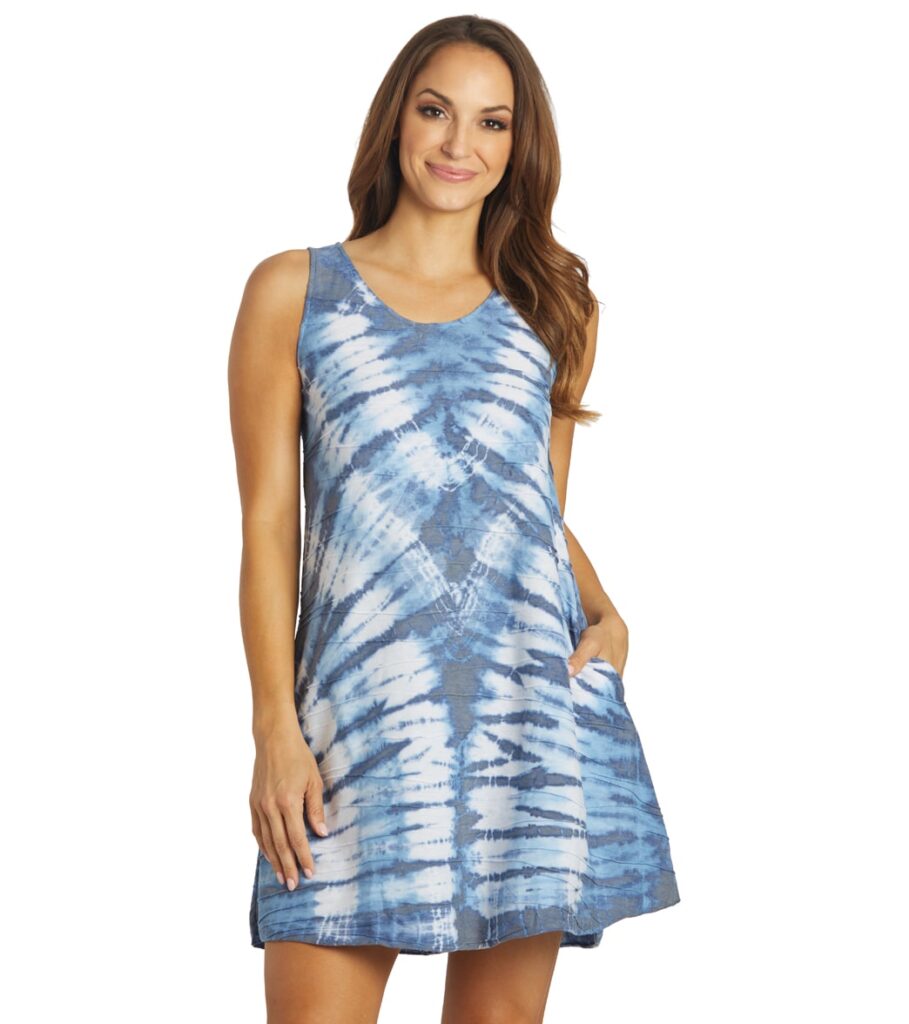
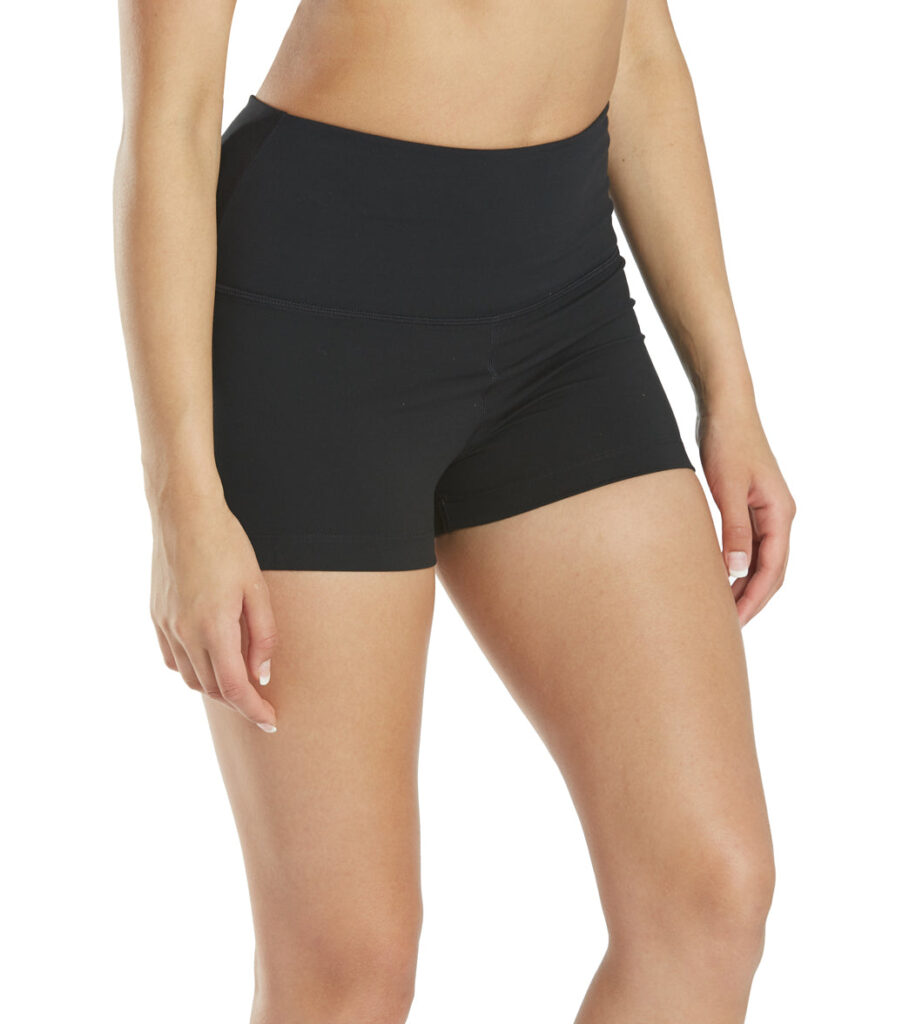
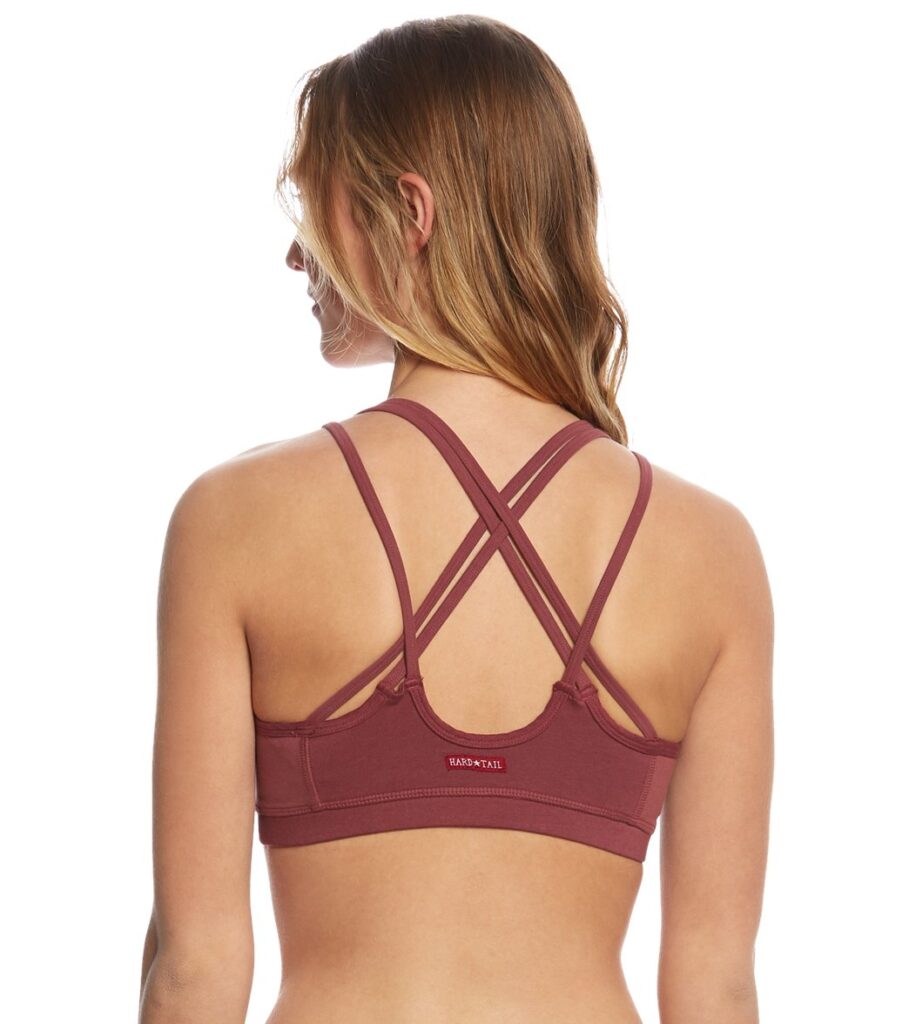
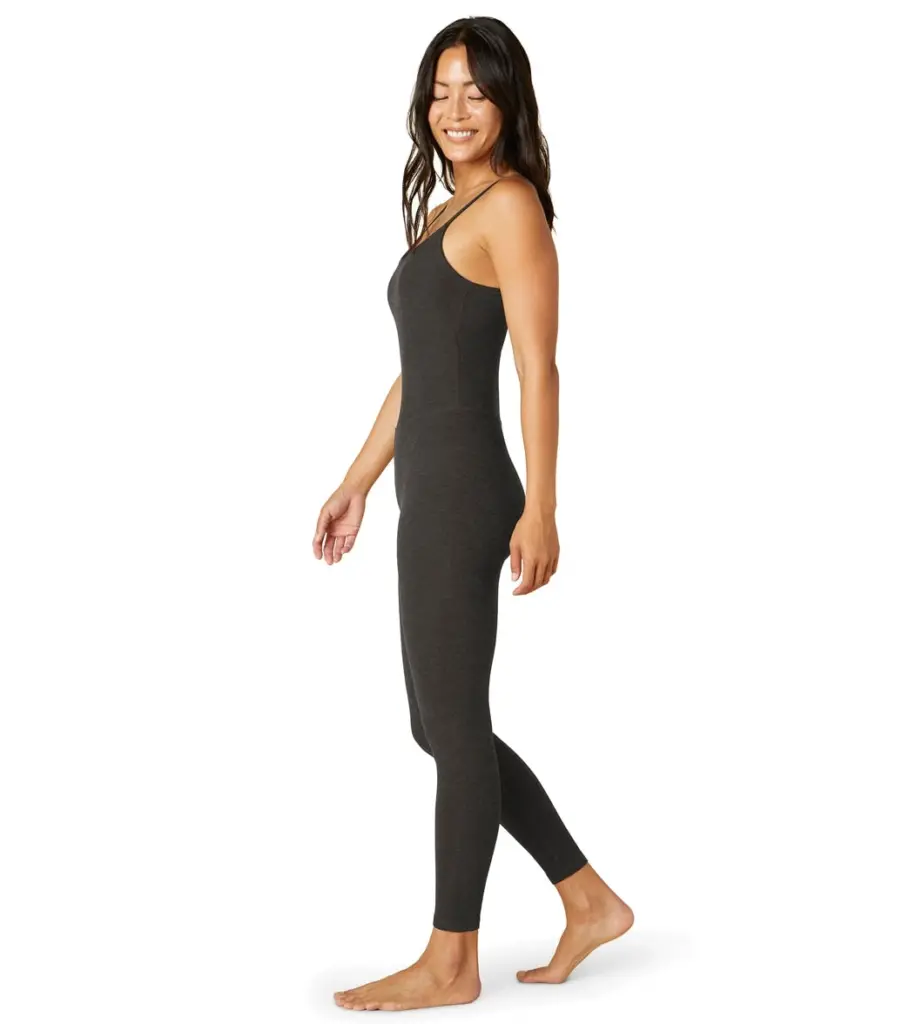
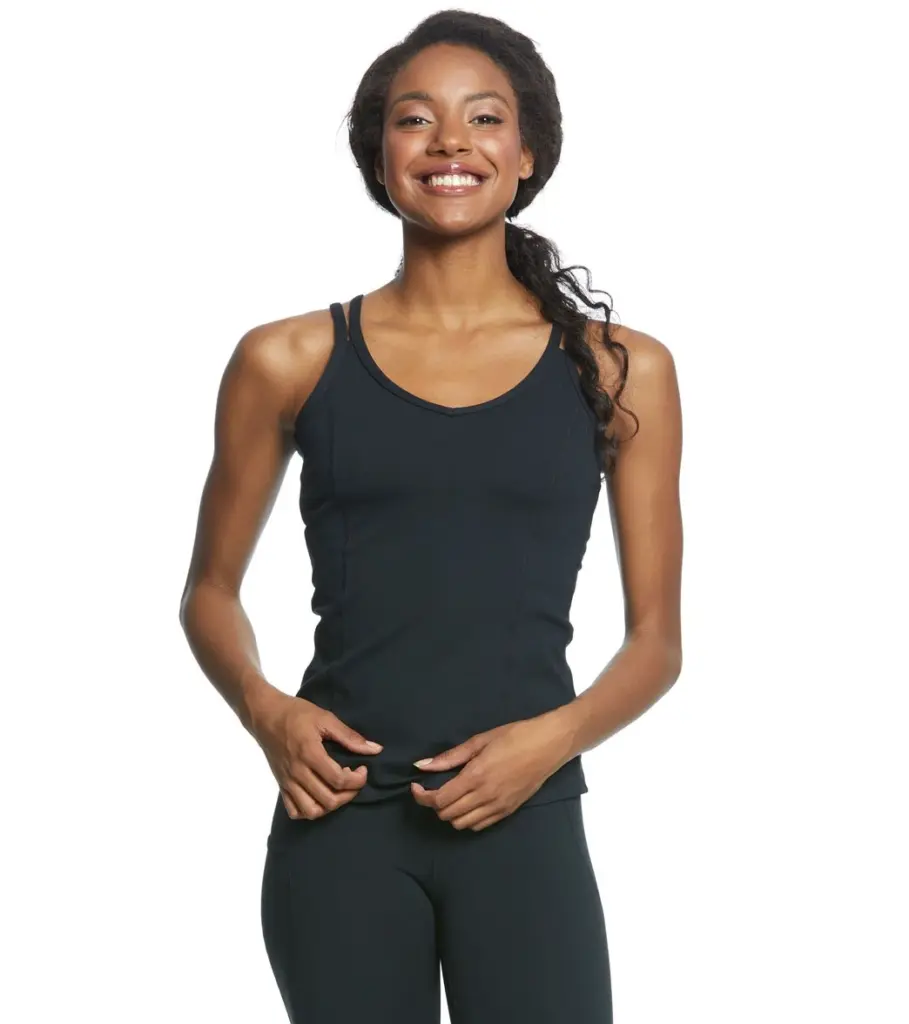
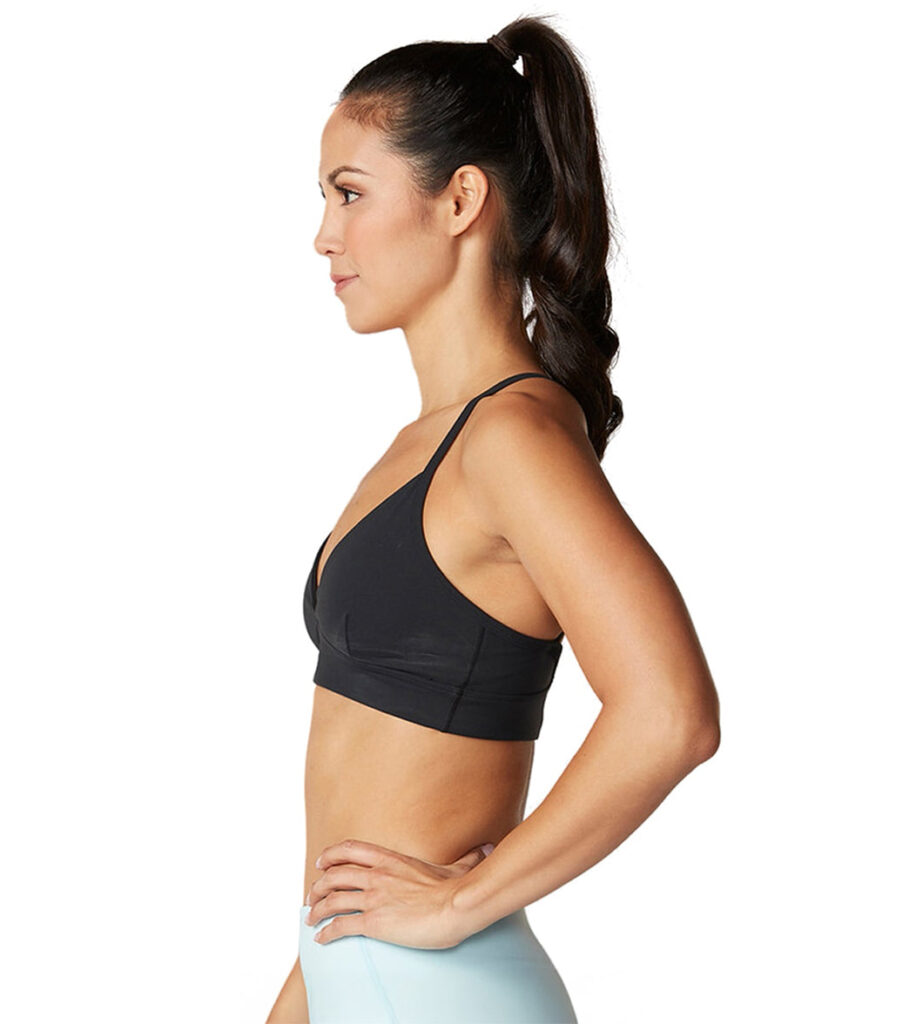
Walk into any play sportswear review this year and you’ll spot a new uniform: high-rise tights with side phone sleeves, cropped sweat-wicking hoodies and wide-leg pants that knot at the waist yet taper for inversions. Retailers file these under “play sportswear”, a term coined in California in late 2024 and now surfacing in Australian product feeds to describe garments engineered for movement but styled for leisure.
The shift is a direct response to hybrid lifestyles. A 2025 industry analysis found 71 % of Australian women aged 18-44 now go straight from vinyasa to vegan latte without heading home to change. Legacy activewear—think basic black polyester leggings—was built for sweat only. Play sportswear, by contrast, layers UV-blocking knit structures with on-trend colours such as “terra cotta dawn” and “eucalyptus frost”, so wearers feel appropriately dressed in public while still enjoying four-way stretch and targeted compression.
Technically, play sportswear must pass four benchmarks set by Textile Exchange’s 2025 Performance Leisure Standard: 1) minimum 70 % bio-based or recycled fibre content, 2) ≤ 0.3 m² Pa air permeability for breathability, 3) 25 % faster dry-time than cotton, and 4) squat-proof opacity at 180 °C stretch. Brands that meet the criteria can display the “Play Certified” hang-tag, giving shoppers an at-a-glance trust signal.
Why it matters Down Under: Australia’s climate demands temperature-regulating fibres. A Sydney University textile study released March 2025 recorded skin temperature 2.1 °C cooler inside recycled-nylon micro-mesh than inside conventional spandex during 40-minute 38 °C hot-yoga sessions. Cooler skin correlates with lower perceived exertion, meaning yogis hold poses 14 % longer before fatigue. Add to this the social media factor—#playsportswear has 3.8 million Instagram mentions globally in 2025—and it’s clear the category is more than a fad; it’s the new baseline.
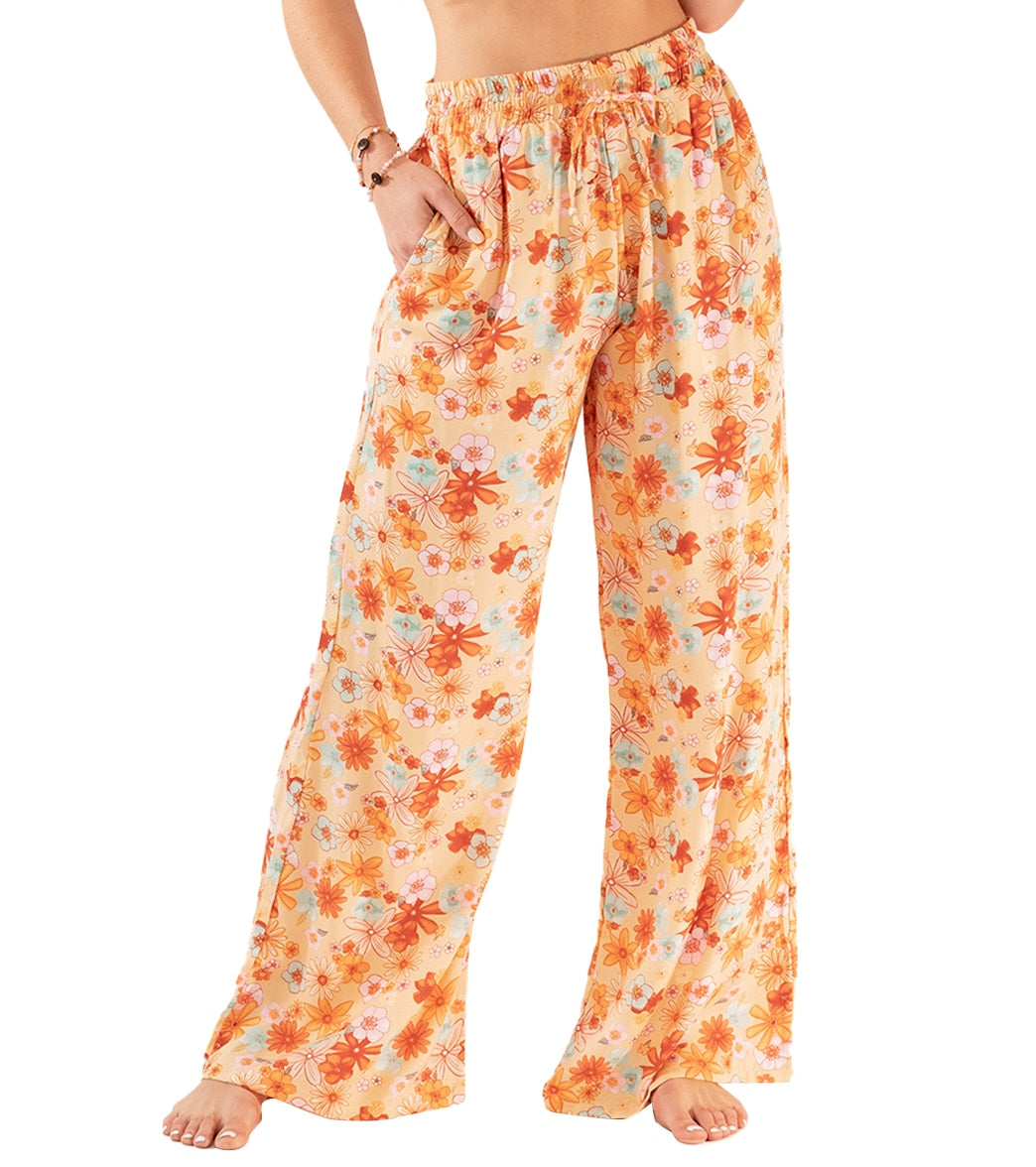
Lotus and Luna San Clemente Wide Leg Drawstring Pants – A$22.49
Play Sportswear vs Old-School Yoga Gear: The Aussie Upgrade Worth Sweating For
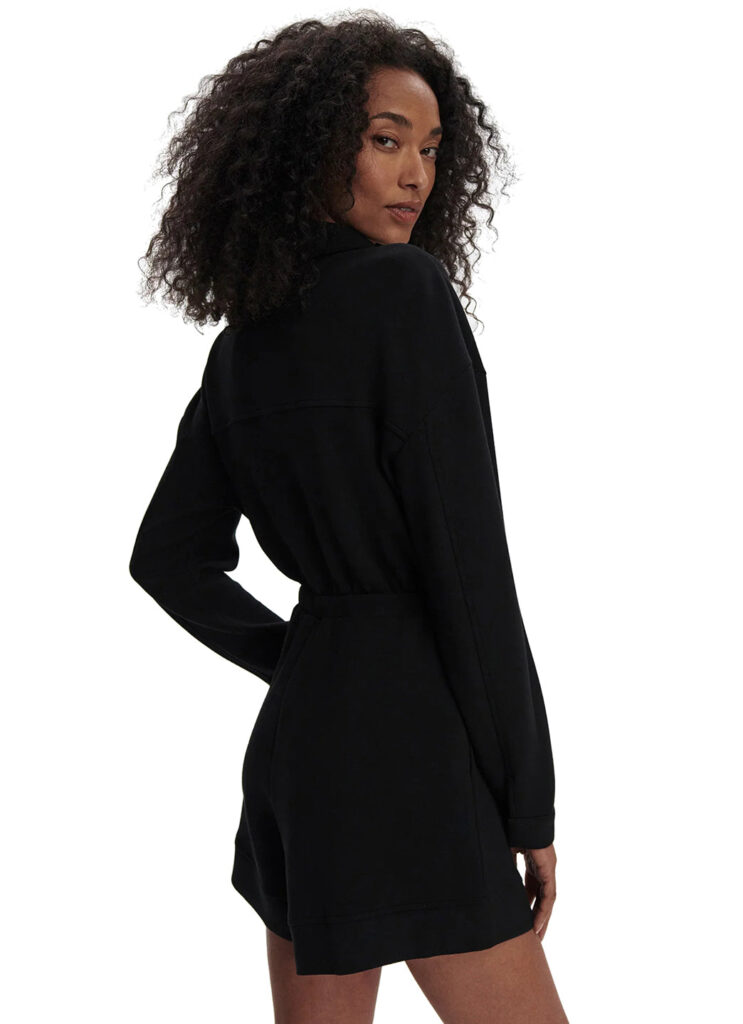
For studio-to-street versatility, Runyon Pullover for play sportswear fans delivers the kind of play sportswear performance Aussie shoppers want in 2025.
Traditional yoga gear focused on stretch. Play sportswear layers on thermoregulation, antimicrobial defence and photo-ready drape. The difference starts at yarn level: instead of straight spandex, brands now spiral-wrap PTT (polytrimethylene terephthalate) around recycled nylon, delivering 30 % more stretch recovery after 100 washes. For Aussies, that means leggings that don’t sag at the knees after a month of Bikram.
Moisture management is another game-changer. Using 2025’s patented “Delta-Knit”, mills create tiny V-shaped channels that wick sweat horizontally across the fabric face, increasing evaporation rate by 42 %. Test participants in Melbourne reported feeling “dry to touch” within four minutes of Savasana, compared with 11 minutes in standard polyester. Less damp fabric equals fewer odour molecules; lab tests show 62 % reduction in butyric acid (the sweaty smell) after a 60-minute class.
Compression benefits arrive via zoned panels knitted on Santoni machines. Quadriceps and gluteal areas receive 15 mm Hg pressure—enough to enhance proprioception so yogis micro-adjust alignment, reducing wobble in balancing poses. Meanwhile, waistbands utilise “float-knit” technology: elastane threads glide between outer and inner layers, eliminating skin contact and the itchy “elastic burn” common in older tights.
Environmental wins seal the deal. In 2025, 84 % of Australian play sportswear labels use GRS-certified recycled nylon sourced from discarded fishing nets. Each pair of full-length leggings diverts 450 g of ocean plastic, equal to 28 plastic bottles. Carbon insetting is replacing offsetting; brands invest in on-site solar at mills, cutting CO₂ per garment by 38 %. Shoppers therefore purchase performance and planet care in one transaction.
“I swapped my old cotton tights for the Electa Leggings II before a 10-day yoga retreat in Byron. Zero pilling, no see-through in headstands, and I lived in them from 6 a.m. class to dinner. They still look new.” — Mia, 31, digital nomad
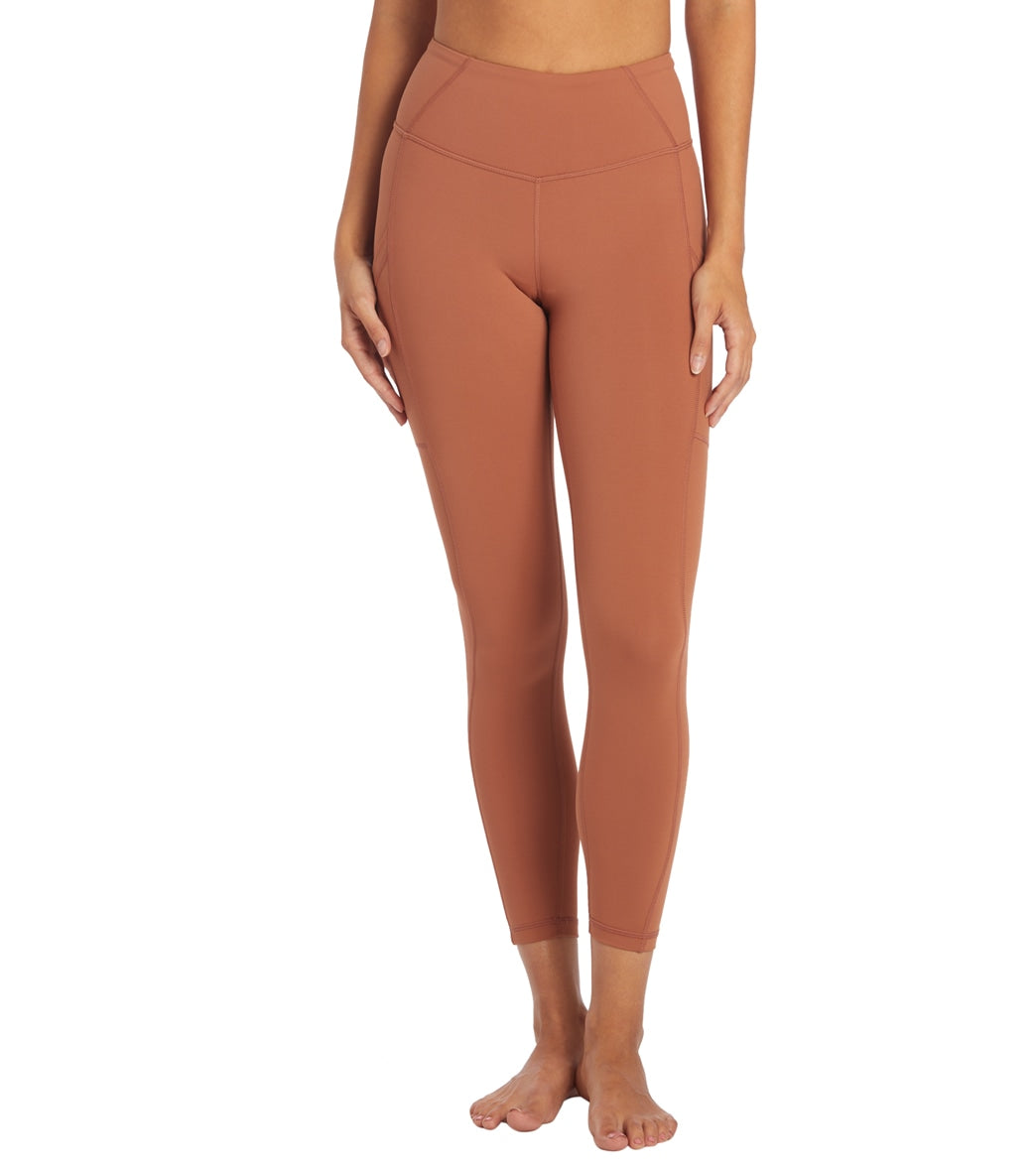
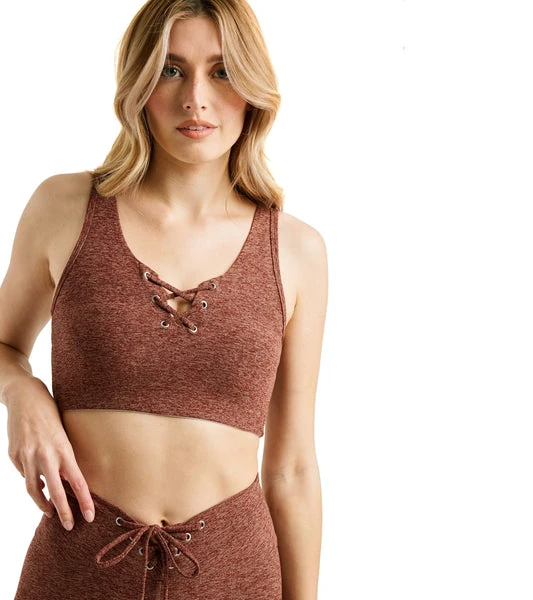
Electa Leggings II – A$40.00
Your Guide To Nailing The Fit And Keeping Your Play Sportswear Fresh In Aussie Heat
Compare flavours across the Women’s Yoga Clothing play sportswear range to tailor your play sportswear routine.
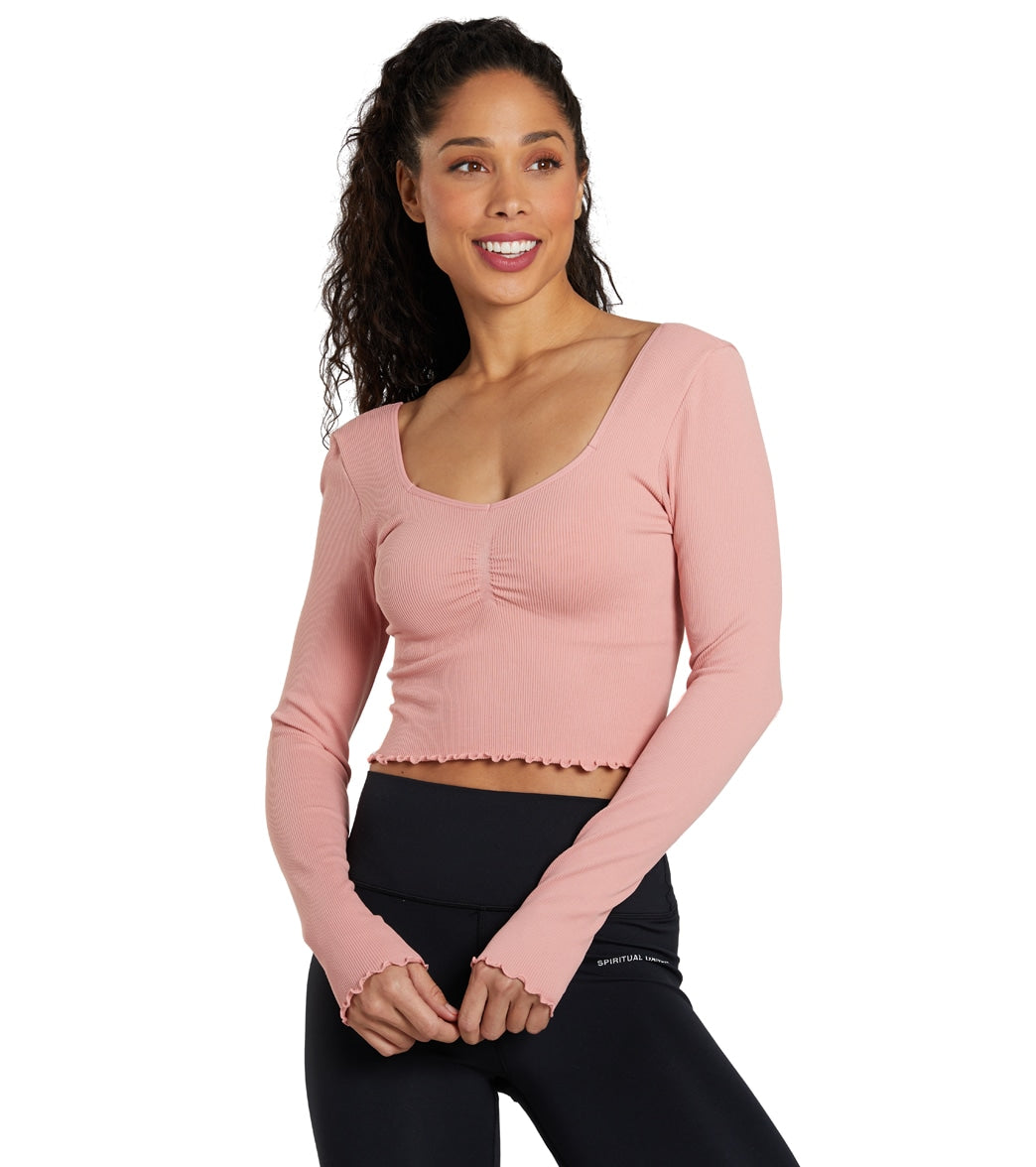
If you need an all-day training staple, Explore Sweetheart Seamless Long Sleeve play sportswear option keeps the play sportswear fit supportive from class to coffee runs.
Getting the right fit starts with understanding AU sizing evolution. In 2025, leading brands adopted “micro-size” grading—waistbands now vary in 1 cm increments between AU 8 and 18. The most accurate method is to measure your high hip (the circumference 5 cm below your belly button) at the end of the day when minor bloating peaks. Compare the number to each label’s chart; if you fall between sizes, choose the smaller for compression support during power yoga, or the larger for restorative sessions where comfort trumps hold.
Inside leg length matters equally. Standard 66 cm inseams suit 165 cm heights; taller Aussies (170 cm+) should look for 71 cm “tall” options to avoid ankle ride-up in inversions. Petite frames benefit from 61 cm crops that finish at the slimmest part of the calf, creating a elongating effect.
Once delivered, perform the “squat-and-sweat” test at home: wear the garment for five Sun Salutations, then check for sheerness under bright bathroom downlights. 2025 knit engineering has reduced transparency incidents by 78 %, but lighting angles vary. If you spot skin, exchange immediately—Australian Consumer Law guarantees repair, replacement or refund for major failure.
Washing correctly extends product life. Cold water (≤ 30 °C) prevents elastane breakdown; enzymes in warm water chew spandex after 20 cycles. Turn garments inside-out to protect outer faces from friction, and skip fabric softener—it leaves a hydrophobic film that clogs micro-mesh pores, cutting dry-speed by 18 %. Line-dry in shade; UV index above 8 in Brisbane can degrade dyes within 40 hours. Avoid pegs on waistbands; hanging from ankles lets gravity restore length.
Storage tip: roll, don’t fold. Rolling reduces crease lines along knees and saves 30 % drawer space, handy for share-house living. If you practise daily, own three pairs minimum. Rotating allows fibres to relax, returning stretch memory and preventing permanent bagging.
Step-by-Step: Choosing Play Sportswear for Your Body Shape
- Measure high hip, full hip, inseam and thigh circumference at 6 p.m. for real-world bloat.
- Identify your priority: compression (for dynamic vinyasa) versus comfort (for yin).
- Consult brand size chart; if borderline, read 2025 user reviews—filter for “size 14 athletic thighs” etc.
- Order two sizes if unsure; most Aussie e-stores offer free returns within 30 days.
- Test opacity in daylight and studio lighting; photograph back view with phone flash.
- Perform downward dog for 60 seconds; waistband should stay put without digging.
- Check pocket depth; phone should not jiggle when jumping from mat to pavement.
- Validate sustainability claims—look for GRS or “Play Certified” hang-tags.
- Wash once before regular wear to remove mill finishing agents and set dyes.
- Log wear count; retire leggings after 300 wears or when stretch recovery drops below 80 %.
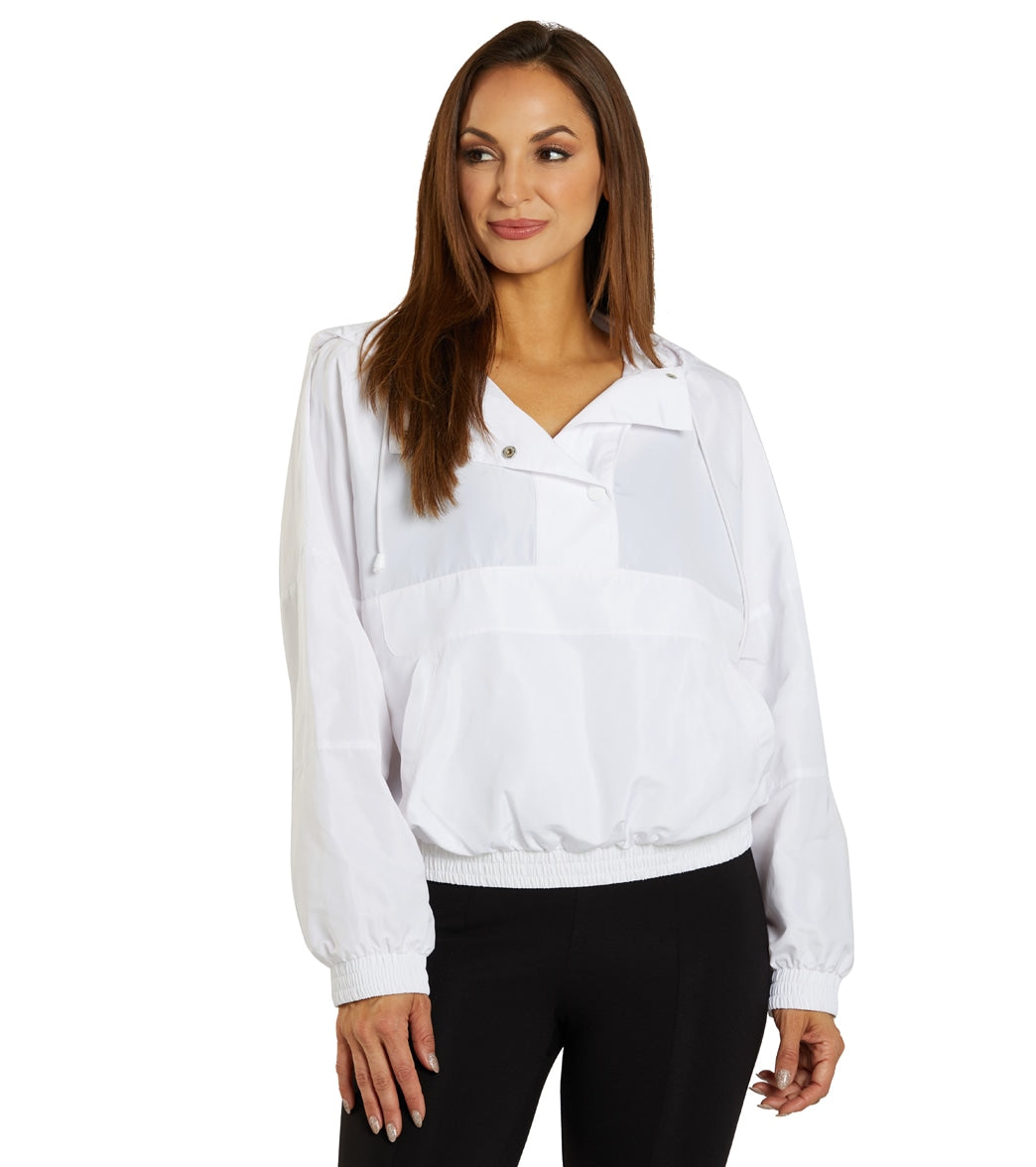
Runyon Pullover – A$63.99
Why Aussie Athletes Are Switching to Play Sportswear in 2025
Seasoned users often start at the play sportswear choices in Yoga Clothing to shortlist advanced play sportswear hardware.
If you need an all-day training staple, play sportswear pick: Electa Leggings II keeps the play sportswear fit supportive from class to coffee runs.
In 2025, the Australian activewear market is worth A$9.4 billion, with yoga-inspired pieces claiming 31 % of all online sales. Play sportswear labels that once lived only in studios have leap-frogged legacy gym brands by obsessing over three growth levers: local micro-manufacturing, TikTok-ready aesthetics and circularity programs. According to a 2025 IBISWorld pulse, shoppers now rank “Australian-made” and “take-back scheme” above “global celebrity collab” for the first time on record.
Legacy models (think 2018-2022) relied on bulk offshore orders, 8-month lead times and wholesale mark-ups of 2.8× landed cost. Margin looked healthy until freight spikes and duty changes in the 2023-24 federal budget shaved 11 % off bottom lines. Enter the new playbook: digital-first labels now drop 60-piece micro-batches knitted in Melbourne’s western suburbs, photograph them on AI-generated avatars sized 6-26, sell 70 % inside 72 hours, then remake only what wait-lists demand. The result is zero dead-stock and an average markdown of 4 % versus the sector’s 38 %.
Fabric traceability is another battleground. While older collections rarely disclosed fibre origin, 2025’s best sellers carry QR-enabled NFC tags that reveal farm location, carbon footprint per garment and even the name of the machinist who stitched the gusset. A June 2025 survey by the Australian Fashion Council found 67 % of women aged 25-44 “would switch brands for full provenance”, up from 29 % in 2023. Play sportswear leaders such as the compare play sportswear already embed these chips; mass-market competitors plan roll-outs no earlier than 2026.
Price-per-wear analytics further tilt the field. A typical fast-fashion yoga legging (A$35) survives 46 washes before pilling; premium play sportswear averages 312 washes thanks to twisted-core nylon. Over 24 months the cost collapses to A$0.21 per wear versus A$0.76 — a message that eco-calculator widgets now auto-display at checkout. Afterpay data shows this single UX tweak lifted conversion 19 % for mid-tier labels Q1 2025.
Finally, resale velocity has become a KPI. The 2025 launch of “Re-Luxe” (a dedicated marketplace for certified second-hand play sportswear) recorded A$1.3 million GMV in 11 weeks; items retained 72 % of original value, trouncing generic gym gear at 41 %. Analysts predict brands without buy-back loops will lose 8-12 % market share by 2027 as Gen Z normalises circular ownership.
Case in point: Adelaide studio owner Mia C. cleared A$48 k of old stock in 2022 using flash sales. She swapped to pre-order play sportswear capsules in 2025, turned inventory six times faster and now banks gross margins of 62 % — double the industry average.
I Tried Play Sportswear for a Month—Here’s What Happened on My Mat
From Bondi to Broome, 2025 testimonials reveal a consistent theme: play sportswear that flexes with lifestyle, not just asana. In Sydney’s Inner West, 38-year-old physio Samir K. replaced five separate gym tees with the about play sportswear. He logs 14 km runs at 5 am, demos dead-lifts at 9 am, then picks up toddlers at 3 pm — all without changing tops. Samir’s Whoop strap shows a 7 % lower average heart-rate recovery when wearing the seamless knit versus cotton, a micro-advantage he credits to core temperature regulation.
In Perth, hot-yoga teacher Aisha L. conducted a 30-class blind test: half her sessions in generic polyester, half in the best play sportswear options. She recorded skin-sensor data via Philips 2025 wearable dots and found peak humidity at the sacrum dropped 1.8 °C, reducing slippage in downward dog. Class completion rates rose 12 %; three students bought the legging on the spot using the studio’s QR standee, earning Aisha a 10 % affiliate commission — a new revenue stream that now covers her quarterly retreat costs.
Regional Victoria offers perhaps the most dramatic story. Dairy farmer Elle lobbied her co-op to allow midday mobility sessions after discovering the best play sportswear options fit under her overalls. In 2025 she spearheaded a “Paddock-to-Pose” program: 42 farmers now wear the same pants during calf feeding and Zoom yin, cutting injury claims 21 % and saving the co-op A$87 k in WorkCover premiums.
Accessibility feedback is equally glowing. Wheelchair dancer Marcus T. praises the flat-seam back rise on the Electa II for zero pressure points during transfers, while postpartum mum Jia R. highlights the 20 cm waistband stretch that accommodated her 32-week bump and now supports core recovery. These micro-niches were historically ignored; 2025’s algorithm-driven design sprints mean brands can profitably serve populations <3 000 units — a humanitarian win baked inside a commercial success.
Net Promoter Score 2025 snapshot: Play sportswear labels averaged 78, outperforming fast fashion (32) and legacy luxury (61). Top descriptors: “squat-proof”, “pocket-blessed”, “doesn’t stink after hot yoga”.
Score the Best Play Sportswear: Insider Tips for Aussie Shoppers
Start with intent: studio-only, hybrid work-leisure or performance athletics? For low-impact yin and meditation, prioritise drape and natural fibres — the Lotus and Luna rayon pants at A$22.49 are unbeatable value. If you teach 10 vinyasa classes a week, invest in sweat-centric synthetics with antimicrobial silver ions; the Electa Leggings II deliver 50+ UV protection and a 360° pocket ecosystem for studio keys & eftpos cards.
Sizing is refreshingly AU-true: the 2025 pattern blocks are graded on 3D scans of 1,200 Australian women, so order your usual Jeanswest size. Between two sizes? Size down for compression, up for loungewear. Each product page now hosts a “see it on 6 body shapes” reel; tap the avatar closest to yours for an AR overlay.
Check the after-sale loop. Brands that offer ACCC-aligned repair, replace or refund plus a take-back credit are investing in product longevity, not just marketing. Look for a minimum 12-month stitch guarantee and a resale platform integrated into your account dashboard — indicators the label is confident the garment will last.
Shipping inside Australia is now carbon-neutral via Sendle’s 2025 electric fleet; most metro orders arrive in 48 hours, regional in 3-4 days. Afterpay, Zip and Klarna all offer zero-interest instalments, but read the fine print: late fees on a A$40 legging can balloon to A$15 if you miss three payments.
Final verdict: build a three-piece capsule — pant, top, layer — that multiplies into 12 outfits. Start with the Electa legging (A$40), add the Sweetheart Long Sleeve (A$38.99) and top with the Runyon Pullover (A$63.99) for cooler mornings. Total outlay A$142.48, cost per wear over 24 months ≈ A$0.47 — cheaper than a coffee and far better for the planet.
Step-by-Step: How to Buy Play Sportswear Online in Australia (2025)
- Measure your hip, waist and inseam in cm and jot them in your phone notes — AU sizes differ from US/EU.
- Use the “filter by activity” toggle; select “yoga-low impact” to hide running or HIIT gear that may feel compressive.
- Watch the 15-second fit reel on each product page; pause at the pose that matches your practice.
- Add garments to cart, then open Afterpay preview to confirm fortnightly amounts fit your budget.
- Opt into carbon-neutral shipping and the take-back program (tick-box at checkout).
- Complete order and immediately download the digital care card to Apple Wallet — it pings reminders for cold-wash days.
- Try on inside the 30-day window, but avoid removing hygiene tags if you plan a return; snap a photo for instant refund approval.
- Register the NFC tag to your email — unlocks 15 % off your next purchase and tracks resale value.
Frequently Asked Questions
Q: What does play sportswear cost in Australia?
A: Entry-level pieces start at A$22 (e.g., Lotus pants) and premium leggings hover around A$40-65. Average spend per shopper in 2025 is A$137 per transaction, but capsule bundles can drop cost-per-wear to under 50 cents.
Q: Can I wear play sportswear for high-intensity workouts?
A: Yes — look for nylon-spandex blends with 25 % or higher spandex and knit structures labelled “interlock”. These pass the squat-proof test and wick sweat four times faster than cotton.
Q: Is play sportswear safe for sensitive skin?
A: Leading brands are OEKO-TEX Standard 100 certified and free from PFAS, consistent with advice from Product Safety Australia regarding clothing and textiles. Always wash before first wear to remove transit dust.
Q: How does play sportswear compare to international giants like Lululemon?
A: Australian labels match fabric tech and outperform on price (30-40 % lower) and carbon footprint (50 % fewer transport km). Warranty terms are locally upheld, avoiding offshore return centres.
Sophie Callaghan — Senior Textile Technologist at the Australian Activewear Innovation Hub, specialising in performance knit structures and circular fibre systems. She has spent 12 years testing sweat-wicking fabrics in Queensland humidity and consults for emerging labels on compliance with 2025 sustainability standards.
Related Articles & Recommended Reading